
Farm Fences
What A Class Fencing builds
About Our Farm Fences
Farm fencing has its own rules — long runs, uneven ground, livestock containment, and wildlife pressure. A Class Fencing builds farm fences across Foothills County, Rocky View County, Mountain View County, Wheatland County, and out into ranching country.
Free On-Site Estimate
Get Your Farm Quote
Tell us about your project. A Class Fencing replies within 24–48 hours with an honest, written quote — no pressure, no surprise fees.
More About Farm Fences
Built For Alberta — The A Class Way
A Class Fencing has been building farm fences across Southern Alberta for years. We work the country surrounding Calgary, Airdrie, Chestermere, Cochrane, Okotoks, Strathmore, High River, Black Diamond, Turner Valley, Langdon, and out into the foothills west toward the Rockies. Whether you have a 5-acre hobby farm or a section-line working ranch, we bring the right equipment — power augers, hydraulic post pounders, and the experience to match — to fence your land properly the first time.
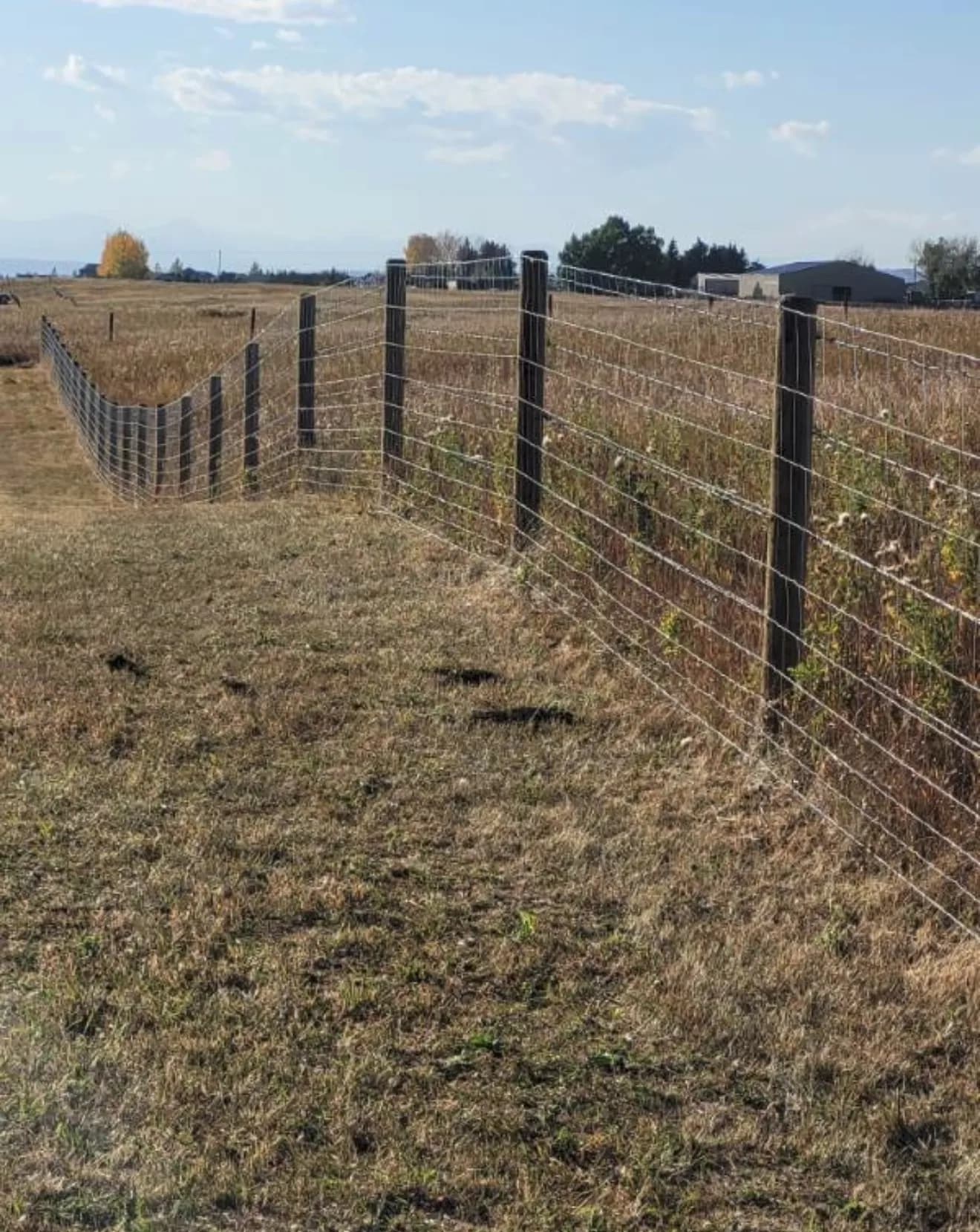
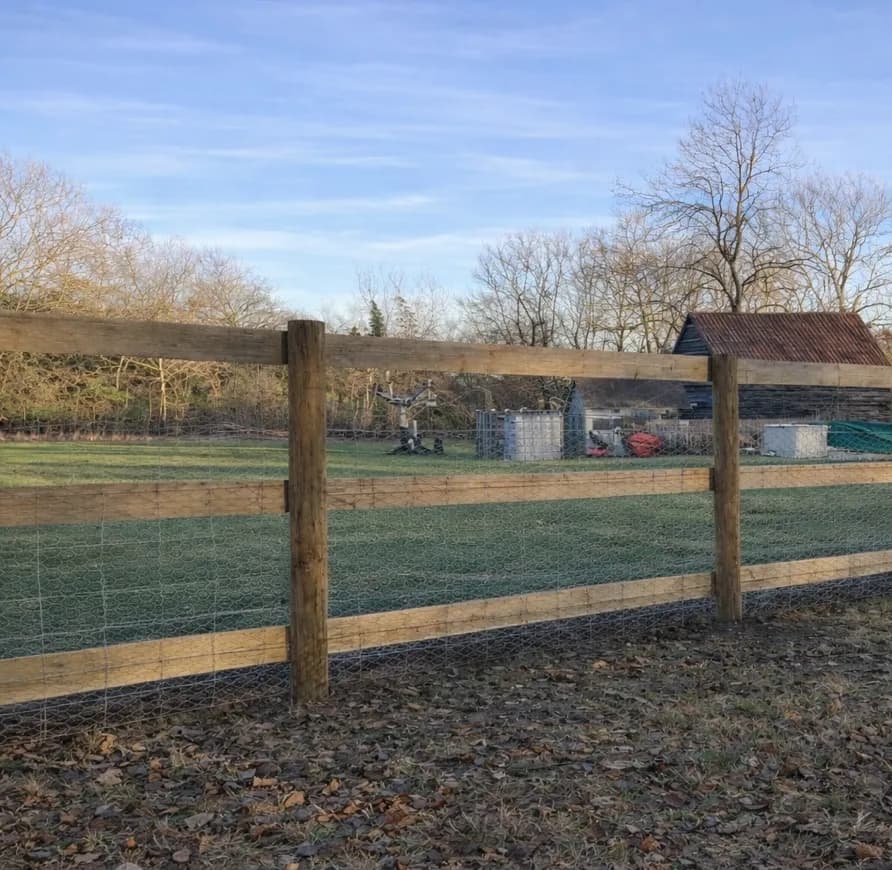
Choosing the right farm fence depends on what you're fencing for. Page wire (also called field wire or sheep-and-hog) keeps in mid-sized livestock and keeps out predators. High-tensile smooth wire is perfect for cattle perimeters where strength matters more than visibility. Post and rail looks beautiful for laneways and entrance approaches. Barbed wire remains the standard for cattle range. A Class Fencing helps you spec the right combination for your property and your animals.
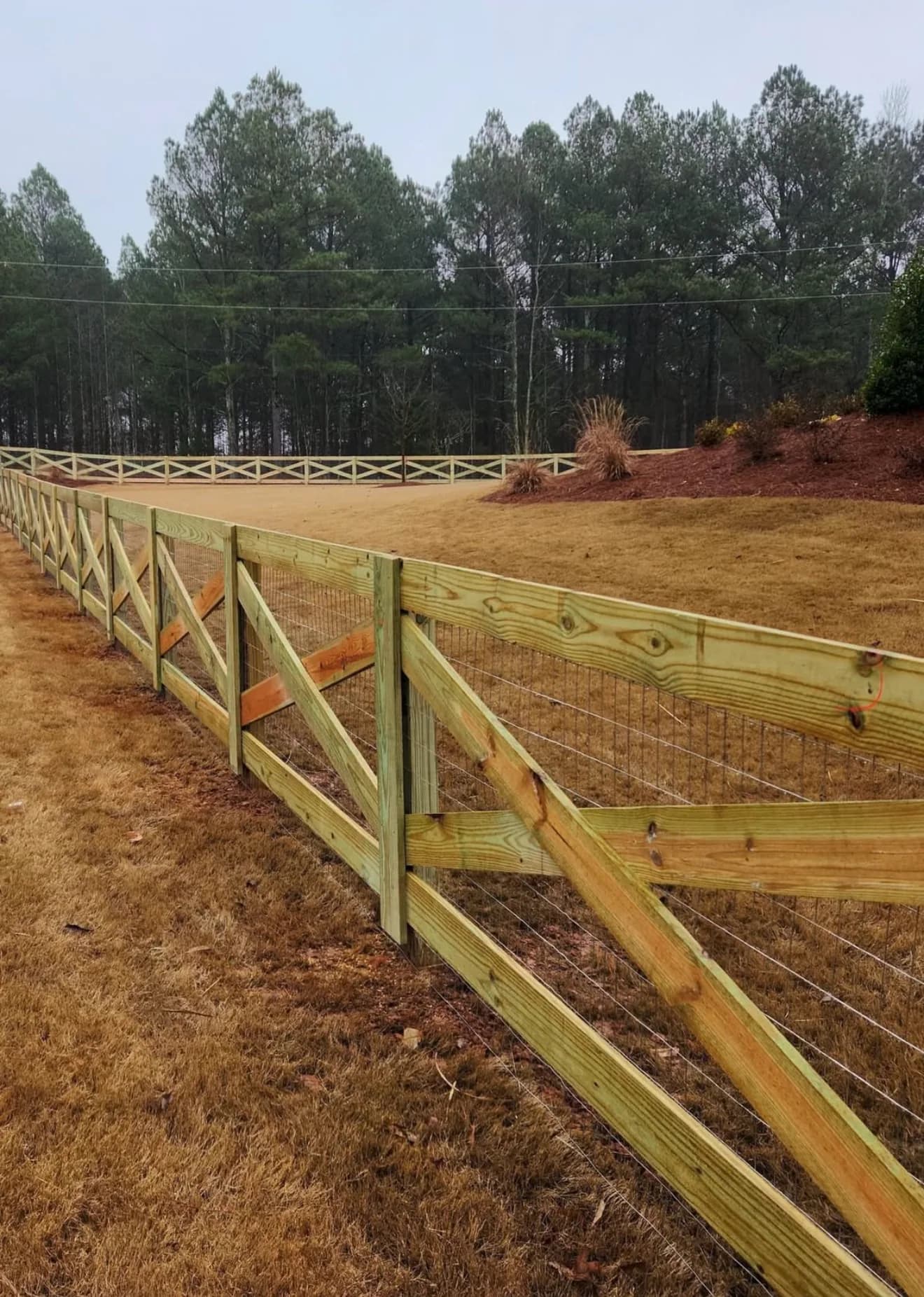
We've fenced pastures, paddocks, perimeters, riding rings, calving lots, dry-lots, and laneways. A working farm fence has to handle the weather, the wildlife, and the animals — and the only way to get it right is to use the right materials and put the posts in correctly. Our farm fences use treated 6-inch top rails, brace assemblies on every corner and gate, and professional H-braces built to industry spec.
Alberta farm climate is hard on fence. Chinook freeze-thaw cycles work soil around posts, prairie winds rack wire if it isn't tensioned properly, and snow load can bend T-posts that weren't driven deep enough. A Class Fencing accounts for all of it. Wood corner posts go in at least 4 feet deep, often deeper on softer ground. T-posts get driven with hydraulic pounders that hit consistent depth even on rocky or frozen ground. Wire is tensioned with inline strainers to the correct PSI for the material — not yanked tight by hand. The result is fence that stays straight, tight, and effective season after season.
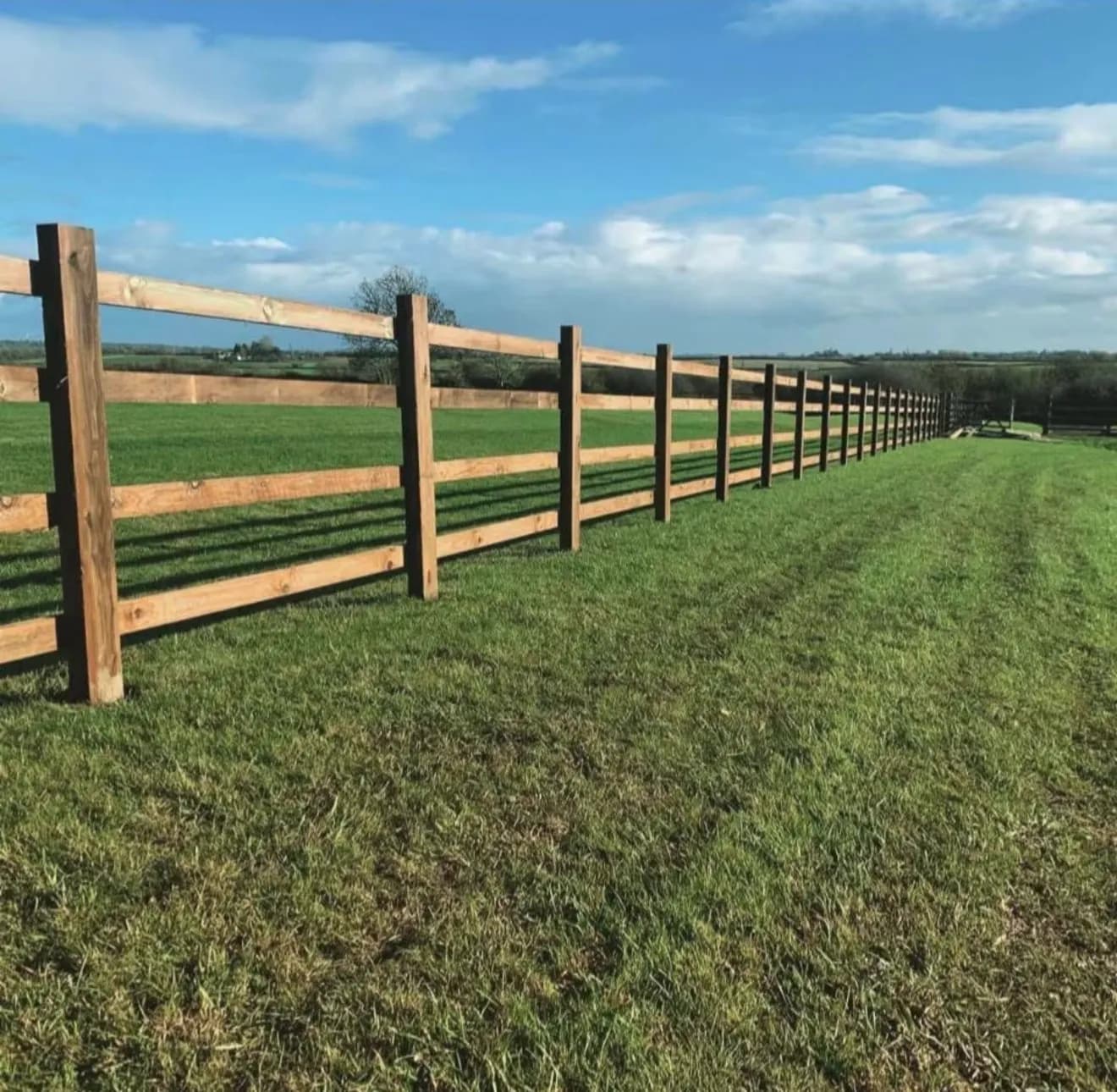
Farm fence cost depends heavily on material, length, brace count, and access. Long straight high-tensile or barbed wire runs are the cheapest per linear foot. Page wire and woven mixed-livestock fence sit in the middle. Post and rail or vinyl ranch rail at the entrance approaches are at the top end. A Class Fencing breaks the quote out section by section — you see exactly where your money is going on which run.
Maintenance on farm fence is light when it's built right. Annual walk-and-tighten after winter catches anything that needs attention. Tensioned wire can stretch slightly in the first year. Corner brace assemblies should be inspected every few years. With proper care a Class Fencing farm fence holds tight for 25 to 30+ years.
Every farm fence build comes with a workmanship warranty in writing. Process: walk the property, written quote within 48 hours, deposit confirms the schedule, balance on completion. Typical hobby-farm build is 3-5 days; section-line ranch perimeters can run 2-3 weeks. Call (403) 971-4882 to get on the schedule.
Where A Class Fencing builds farm fences: We install farm fences across Calgary, Airdrie, Cochrane, Okotoks, Chestermere, and High River, plus the surrounding Foothills County, Rocky View County, and Mountain View County.
Ready to start?
Free on-site estimate. Honest written quote. Built by A Class Fencing — Calgary's trusted fence builders.
Common Questions
Farm Fences FAQ
What's the difference between page wire and high-tensile?
+
Page wire (or woven field wire) is a grid of horizontal and vertical wires that contains mid-sized livestock and excludes wildlife. High-tensile is multiple strands of strong single-wire under high tension. Page wire is better for mixed-livestock and wildlife exclusion; high-tensile is cheaper per foot for cattle perimeters where you just need a barrier.
How deep do farm fence posts need to go?
+
Corner posts and brace posts: at least 4 feet, often more on soft ground. Line T-posts: driven until firm with at least 18-24 inches in the ground. Frost-line considerations apply to wood posts set in concrete; T-posts handle frost heave better because they're driven through it.
Can you handle wildlife pressure (deer, elk)?
+
Yes. For deer and elk we typically run taller page wire (8 ft) or add high-tensile strands on top of standard 5-foot page wire. We've fenced properties near Bragg Creek, Cochrane, and the foothills where elk pressure is a real issue, and we know what holds them out.
Do you build follow-the-contour fence or grade-rake?
+
Both — depends on the terrain and look you want. Follow-the-contour (the fence steps with the land) is faster and cheaper, and is standard on long agricultural runs. Grade-raked (the top stays level while the ground undulates) looks more refined and is common on visible front-perimeter approaches.
Can you fence section-line perimeters?
+
Yes. Quarter-sections and section-line perimeters are some of our longest jobs. We bring hydraulic post pounders, wire spinners, and a crew sized for the run. A typical mile of high-tensile or barbed wire perimeter takes 7-14 working days depending on terrain, brace count, and gate spec.
Related Fencing Services
Also Built By A Class Fencing
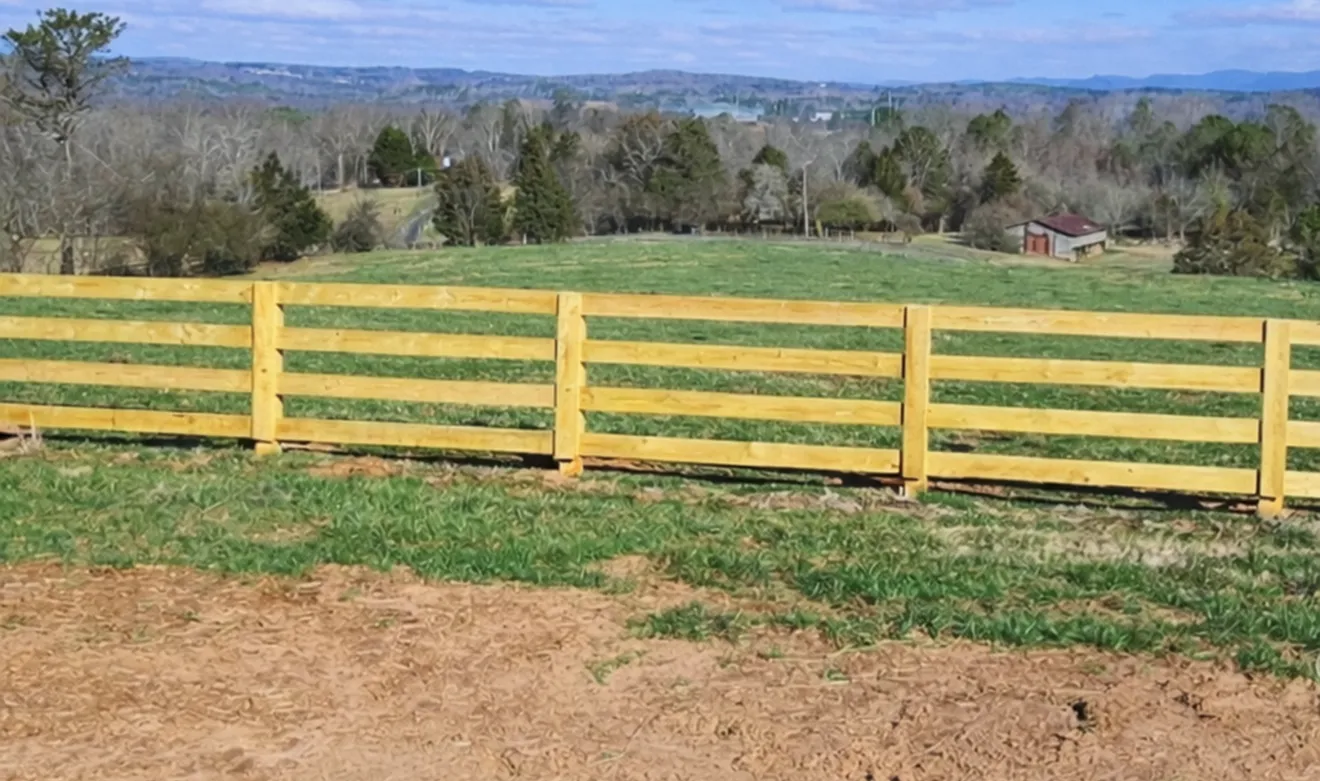
Farm Perimeter Fences
Long-run perimeter fences built right the first time.
View Farm Perimeter Fences in Calgary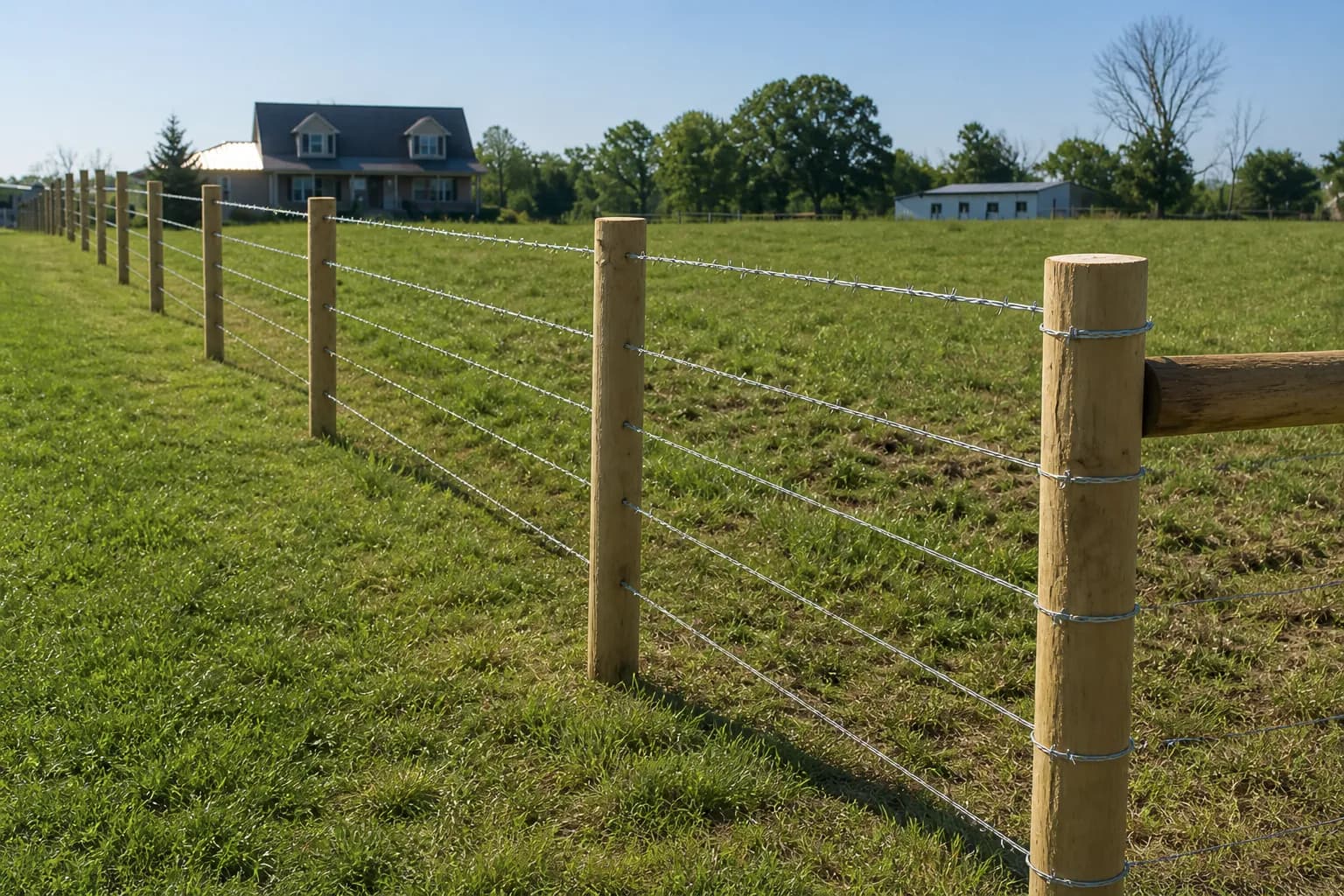
Barbed Wire Fences
The classic Alberta range fence — built to last decades.
View Barbed Wire Fences in Calgary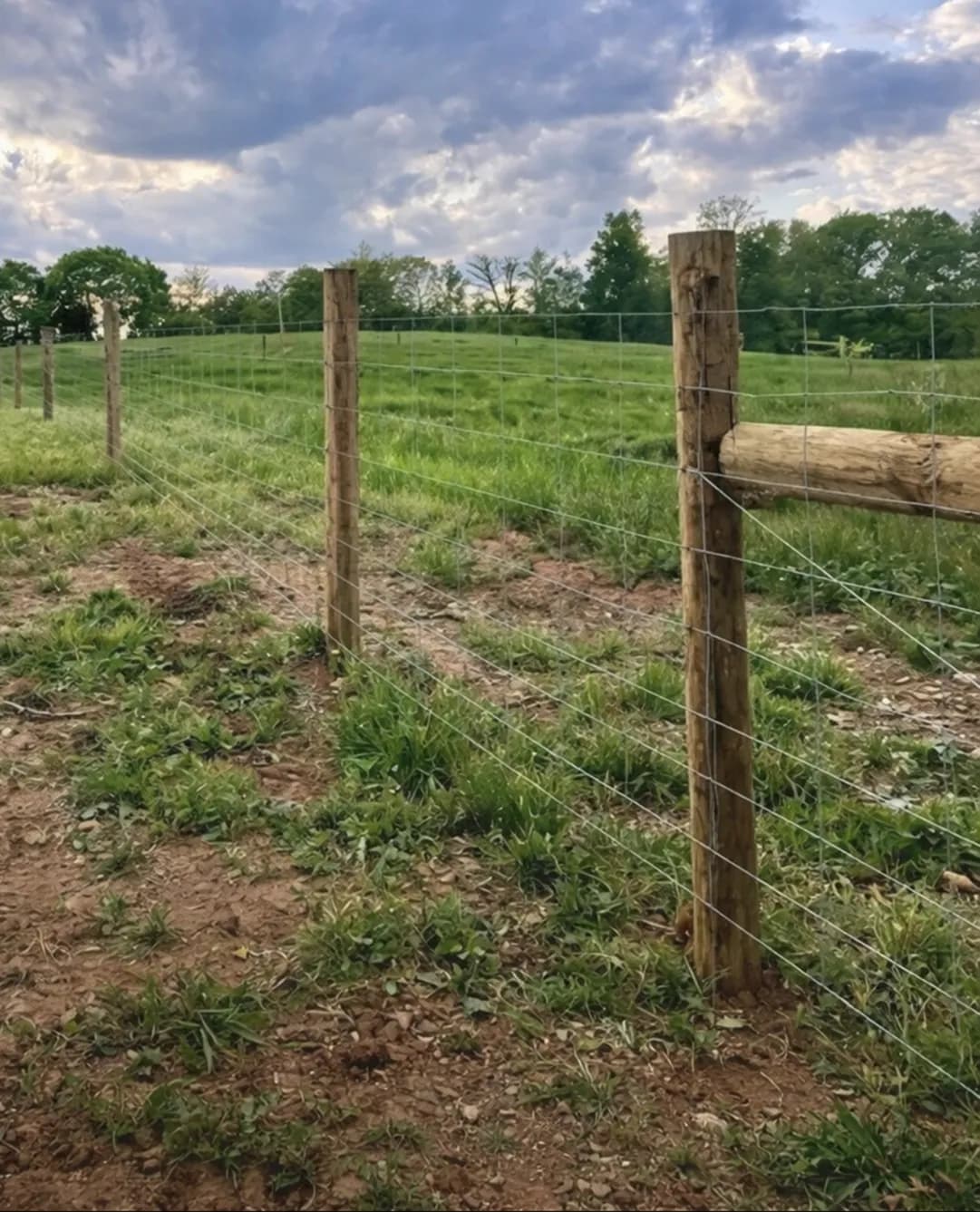
Agricultural Fences
Purpose-built agricultural fencing for Alberta farms, ranches, and acreages.
View Agricultural Fences in CalgaryOur work
Farm Fences & More
Recent farm fences builds first, followed by everything else A Class Fencing has built across Calgary and Southern Alberta.
No pressure. No surprises.
Ready to start your farm fences project?
Free on-site estimate. No pressure. Honest written quote from A Class Fencing.